
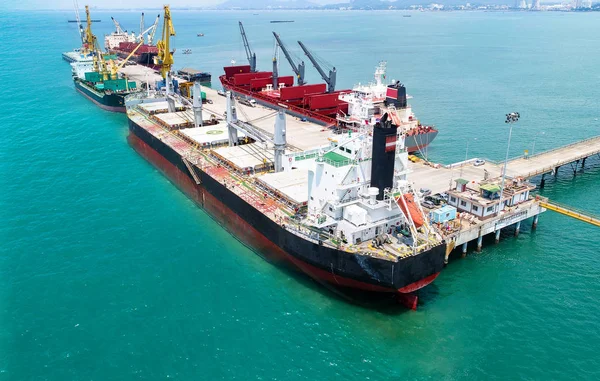
Introduction
The global economy depends heavily on the efficient movement of goods and resources between countries, industries, and markets. A significant portion of international trade is transported through maritime routes, making the shipping industry an essential part of the global supply chain.
However, moving cargo across waterways involves more than simply loading goods onto vessels and transporting them to their destinations. It requires careful planning, coordination, transportation management, documentation, and access to the right resources.
This is where marine logistics becomes important.
Marine logistics provides the operational support required to coordinate the movement of goods, equipment, supplies, and resources through maritime transportation networks.
For businesses involved in shipping, offshore operations, and international trade, understanding marine logistics is essential to achieving efficient and reliable operations.
What Is Marine Logistics?
Marine logistics refers to the planning, coordination, and management of activities involved in moving goods, equipment, and supplies through maritime transportation systems.
It covers various processes associated with shipping, cargo handling, vessel support, transportation, warehousing, and the movement of materials between ports and final destinations.
Marine logistics may involve several stakeholders, including:
-
Ship owners and vessel operators.
-
Shipping companies.
-
Freight forwarders.
-
Port and terminal operators.
-
Marine equipment suppliers.
-
Haulage and transportation companies.
-
Importers and exporters.
-
Offshore contractors.
These stakeholders work together to ensure that cargo and resources move through the supply chain as efficiently as possible.
Why Is Marine Logistics Important?
1. Supporting International Trade
Marine transportation connects businesses across different countries and continents.
Manufactured products, industrial equipment, raw materials, agricultural commodities, and other goods are transported through maritime networks.
Effective marine logistics helps coordinate these movements, ensuring that cargo can travel from suppliers to international markets.
Without efficient logistics coordination, global trade would face greater operational challenges and delays.
2. Improving Supply Chain Efficiency
Businesses depend on the timely availability of materials, products, and equipment.
Poor logistics coordination can lead to delivery delays, inventory shortages, increased storage costs, and disruptions to business operations.
Marine logistics helps businesses coordinate transportation, cargo handling, shipping schedules, and delivery arrangements.
This supports better supply chain planning and resource management.
3. Supporting Offshore Operations
Offshore projects often require continuous access to equipment, spare parts, food provisions, fuel, and other essential resources.
Marine logistics plays an important role in coordinating the transportation and delivery of these materials to offshore locations.
Efficient offshore logistics helps support vessel operations, marine construction activities, and other offshore project requirements.
4. Managing Transportation and Cargo Movement
Cargo may need to move through several stages before reaching its final destination.
For example, imported goods may arrive at a seaport, undergo customs clearance, move to a warehouse, and eventually be transported by road to the receiving business.
Marine logistics helps coordinate these different transportation stages, creating a more organized movement of goods.
5. Supporting Cost Management
Poorly coordinated logistics can increase transportation expenses, storage charges, demurrage, and other operational costs.
Effective logistics planning helps businesses identify suitable transportation arrangements, coordinate schedules, and reduce avoidable operational inefficiencies.
Major Components of Marine Logistics
1. Shipping and Vessel Coordination
Shipping coordination involves organizing vessel-related activities, transportation schedules, cargo arrangements, and other operational requirements.
Proper coordination helps ensure that shipping activities are planned and managed effectively.
2. Cargo Handling and Management
Cargo handling involves the movement, loading, unloading, and management of goods at ports, terminals, warehouses, and other designated locations.
Proper cargo handling procedures help protect goods and support efficient port operations.
3. Marine Supply Logistics
Vessels and offshore facilities require continuous access to essential provisions, equipment, and operational materials.
Marine supply logistics involves coordinating the sourcing, transportation, and delivery of these supplies to the appropriate locations.
4. Haulage and Transportation
Maritime cargo frequently requires road transportation before or after its sea journey.
Haulage services support the movement of containers, equipment, and other goods between ports, warehouses, industrial facilities, and customer locations.
5. Clearing and Forwarding
International cargo movement often involves documentation, customs procedures, and regulatory requirements.
Clearing and forwarding activities help coordinate the documentation and processes required to facilitate cargo clearance and transportation.
6. Offshore Logistics Support
Offshore operations require specialized transportation and supply arrangements.
This may involve the coordination of supply vessels, marine equipment, personnel, provisions, and other resources required to support offshore activities.
Common Challenges in Marine Logistics
Despite its importance, marine logistics faces several operational challenges.
Port Congestion: Busy ports and terminals can experience congestion, resulting in delays in cargo handling and vessel schedules.
Documentation Requirements: Shipping and customs documentation must be properly prepared and coordinated to avoid clearance complications.
Transportation Delays: Weather conditions, road congestion, equipment availability, and other factors can affect cargo movement.
Operational Costs: Fuel prices, port charges, transportation expenses, and storage fees can influence the overall cost of logistics operations.
Supply Chain Disruptions: Unexpected events, supplier shortages, and changes in shipping schedules can affect the movement of goods.
Addressing these challenges requires effective planning, coordination, communication, and dependable service providers.
How to Choose a Reliable Marine Logistics Partner
Choosing the right marine logistics partner can significantly influence the efficiency of your shipping and transportation activities.
Before selecting a provider, consider the following:
-
Industry Knowledge: Look for a provider that understands maritime operations and logistics requirements.
-
Service Reliability: Evaluate the provider’s ability to coordinate logistics activities and meet agreed delivery arrangements.
-
Operational Flexibility: Consider whether the provider can respond to different cargo, vessel, and project requirements.
-
Communication: Choose a partner that provides clear communication throughout the logistics process.
-
Service Coverage: Ensure that the provider can support the locations and activities relevant to your business.
-
Professionalism: Consider the provider’s approach to customer service, documentation, and operational coordination.
The Future of Marine Logistics
The maritime logistics industry continues to evolve as businesses seek more efficient, transparent, and technology-driven supply chain solutions.
Digital documentation, shipment tracking, automated port operations, improved communication systems, and data-driven logistics planning are transforming how maritime activities are coordinated.
Environmental sustainability is also becoming increasingly important, encouraging the industry to explore more efficient transportation methods and responsible resource management.
As global trade continues to grow, marine logistics will remain an important component of international commerce and industrial development.
Conclusion
Marine logistics is a critical part of the maritime industry, connecting shipping, transportation, cargo handling, supply management, and offshore support activities.
For businesses involved in international trade and maritime operations, effective logistics coordination can improve efficiency, support cost management, and reduce unnecessary operational disruptions.
At Jotas Maritime Solutions, we recognize the importance of dependable marine logistics and maritime support services. We are committed to helping businesses access professional solutions that support their shipping, transportation, and operational requirements.
Looking for reliable marine logistics support? Get in touch with Jotas Maritime Solutions to discuss your logistics and maritime service requirements.